
Homepage // Blog / Best treatments for all types of scars explained
9 Common Causes Of Sagging Breasts And Best Treatments To Try
Quick Summary
Breast asymmetry after augmentation can occur for several reasons, including normal healing, swelling, implant settling, or pre-existing differences between the breasts. In many cases, temporary unevenness improves as the body recovers and tissues adjust around the implants. However, persistent asymmetry may indicate implant positioning concerns or other complications that warrant evaluation. Understanding the cause of the imbalance can help patients determine the most appropriate next steps.
Many women notice changes in breast shape and position over time, often leading them to research common sagging breast causes and potential treatment options. While these changes can occur gradually, certain life events and biological factors may accelerate the process and affect breast appearance.
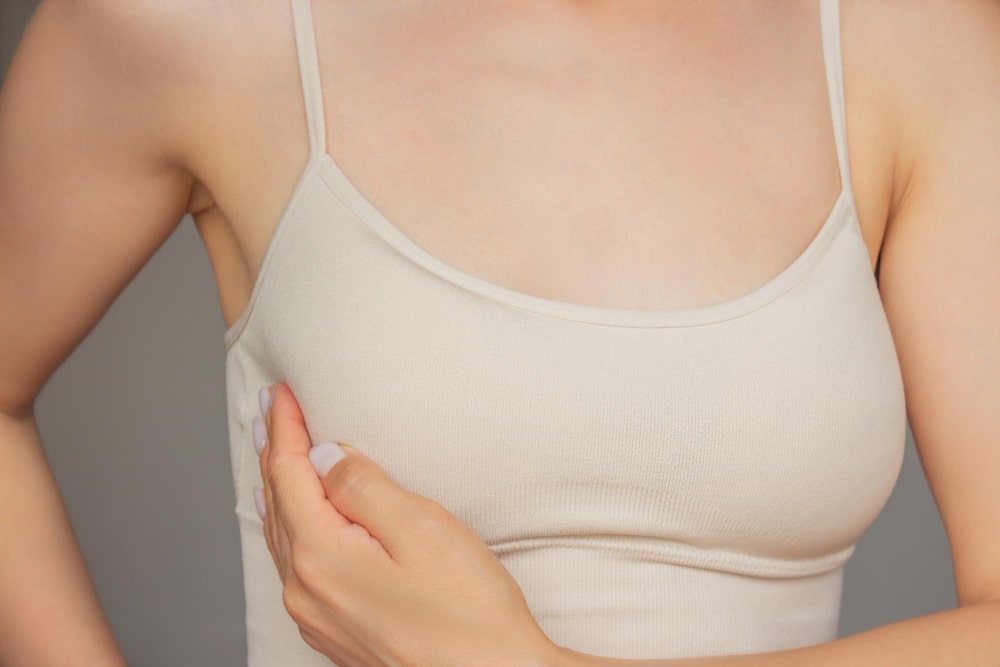
Breast sagging, also known as breast ptosis, occurs when the skin, ligaments, and supporting structures within the breast lose their ability to maintain firmness and elevation. Although sagging is often associated with aging, several other factors can influence how and when these changes develop.
Understanding the reasons behind breast ptosis can help women make informed decisions about prevention strategies and treatment options. From lifestyle habits to hormonal changes, a variety of influences contribute to breast sagging, and each may affect the body differently over time.
Aging and Natural Tissue Changes
Aging is one of the most common contributors to breast sagging. As the body gets older, collagen and elastin production naturally decline. These proteins help maintain skin strength and elasticity, and their gradual loss can affect the breast’s ability to retain its youthful shape.
Over time, the supportive tissues within the breast may weaken, allowing breast tissue to descend lower on the chest wall. While aging affects everyone differently, it remains one of the primary reasons women experience progressive breast ptosis.
Pregnancy
Pregnancy often causes significant changes in breast size and structure. As the breasts enlarge to prepare for milk production, the skin and supporting ligaments stretch to accommodate increased volume.
After pregnancy, breast tissue may not return completely to its pre-pregnancy state. The degree of change varies among individuals, but repeated stretching during pregnancy can contribute to long-term alterations in breast shape and position.
Breastfeeding-Related Changes
Many women associate breastfeeding with breast sagging, although the relationship is more complex than commonly believed. The breast changes that occur during pregnancy often play a larger role than breastfeeding itself.
Fluctuations in breast volume before, during, and after nursing can affect skin elasticity and tissue support. These changes may contribute to a less firm appearance, particularly when combined with other factors such as aging or genetics.
Weight Fluctuations
Significant weight gain and weight loss can place repeated stress on breast tissue and skin. As the breasts expand and contract, the skin may lose some of its ability to recoil effectively.
Women who experience frequent weight fluctuations may notice greater changes in breast contour over time. Maintaining a stable weight can help reduce repeated stretching that may contribute to tissue laxity.
Genetics
Genetics plays a major role in determining breast size, shape, skin quality, and ligament strength. Some women naturally have more resilient connective tissue, while others may be more prone to developing breast sagging earlier in life.
Family history often influences how the breasts age and respond to environmental factors. Although genetics cannot be changed, understanding hereditary tendencies can help set realistic expectations regarding breast appearance over time.
Loss of Skin Elasticity
Skin elasticity is essential for maintaining breast firmness. Factors such as sun exposure, aging, and environmental stressors can gradually reduce the skin’s ability to remain taut and resilient.
When elasticity declines, the skin may no longer adequately support breast tissue. This can contribute to drooping and changes in breast position, particularly when combined with larger breast volume or weight fluctuations.
The Effects of Gravity
Gravity continuously acts on breast tissue throughout life. While its effects may not be immediately noticeable, years of downward force can gradually influence breast shape and position.
Women with larger breasts may experience more pronounced gravitational effects because heavier tissue places greater strain on the skin and supporting ligaments. Over time, this can contribute to progressive sagging.
Hormonal Changes and Menopause
Hormonal fluctuations can affect breast composition and skin quality. During menopause, declining estrogen levels often contribute to changes in connective tissue, skin thickness, and overall breast structure.
As glandular tissue decreases and fat distribution shifts, the breasts may lose some fullness and support. These natural hormonal changes can increase the appearance of sagging in many women.
Smoking and Lifestyle Factors
Smoking accelerates the breakdown of collagen and elastin, which are essential for healthy, resilient skin. Reduced blood flow associated with smoking can also affect skin quality and contribute to premature aging.
Other lifestyle factors, including poor nutrition and inadequate skin care habits, may influence skin health over time. While these factors alone may not cause breast sagging, they can contribute to changes in tissue quality and elasticity.
How Treatment Depends on the Cause
The most appropriate treatment often depends on the degree of breast sagging, skin quality, breast volume, and individual goals. Some women experience mild changes that respond well to lifestyle modifications, while others may seek more significant correction.
During a consultation, physicians evaluate several factors before discussing treatment options:
- The extent of breast ptosis
- Skin elasticity and tissue quality
- Breast size and volume distribution
- Personal aesthetic goals
- Medical history and overall health
A comprehensive evaluation helps identify which approach may align best with each patient’s concerns and expectations.
Non-Surgical Treatments that May Help
Although non-surgical treatments cannot reposition breast tissue to the same degree as surgery, they may improve skin quality and overall appearance in certain situations.
Options such as laser treatments, radiofrequency technologies, and collagen-stimulating procedures may help address mild skin laxity by encouraging new collagen production. Maintaining a stable weight, avoiding smoking, protecting the skin from excessive sun exposure, and following healthy lifestyle habits may also help preserve skin elasticity.
For women with minimal sagging, these approaches can complement an overall breast rejuvenation plan and help improve skin texture and firmness.
When a Breast Lift May Be Considered
For moderate to severe breast sagging, a breast lift, also known as mastopexy, is often the most effective treatment option. The procedure reshapes and elevates breast tissue while removing excess skin to create a more youthful breast contour.
Some women choose to combine a breast lift with breast augmentation when volume loss is also a concern. Treatment recommendations vary according to anatomy, goals, and the degree of breast ptosis present. A thorough consultation allows patients to explore available options and understand what outcomes may be achievable.
Exploring Your Options With Experienced Specialists
At Laser & Skin Surgery Center of New York, we take a personalized approach to aesthetic concerns by evaluating each patient’s goals, anatomy, and treatment priorities before discussing potential solutions.
Contact us to learn more about available breast rejuvenation options and explore treatments that may align with your desired appearance.
FAQs
Can exercise prevent breast sagging?
Exercise can strengthen the chest muscles beneath the breasts, but it cannot fully prevent changes in breast tissue, skin, or supporting ligaments.
Is breast sagging always related to age?
No, factors such as pregnancy, genetics, weight fluctuations, and hormonal changes can contribute to breast sagging at various stages of life.
Do larger breasts sag more than smaller breasts?
Larger breasts often place greater stress on supporting tissues and skin, which may increase the likelihood of noticeable sagging over time.
Are non-surgical treatments effective for severe breast sagging?
Non-surgical treatments may improve skin quality and mild laxity, but significant breast ptosis often requires surgical correction for more substantial results.
Next, read about…
7 Essential Questions To Ask During Your Face Lift Consultation
Homepage // Blog / 7 Essential Questions To Ask During Your Face Lift ConsultationQuick SummaryAsking the right face lift questions during a consultation reveals a surgeon's training, technique, and safety record before you commit to surgery. It also clarifies...
Face Lift Facts And Myths You Need To Know
Homepage // Blog / Face Lift Facts And Myths You Need To KnowQuick SummaryFace lifts remain one of the most talked-about cosmetic procedures, and misinformation about pain, scarring, and results spreads just as easily as accurate information. Modern techniques focus...
Mini Vs. Full Face Lift: Which Procedure Is Right For You?
Homepage // Blog / Mini Vs. Full Face Lift: Which Procedure Is Right For You?Quick SummaryA mini face lift addresses early sagging around the jawline and lower face through smaller incisions and a shorter recovery, while a full face lift corrects moderate to severe...