
Homepage // Blog / Best treatments for all types of scars explained
Atopic Vs. Contact Dermatitis: Understanding The Difference
Quick Summary
Atopic dermatitis and contact dermatitis may look similar, but their causes, triggers, and flare patterns differ. Atopic dermatitis often relates to genetics and immune activity, while contact dermatitis develops after skin exposure to irritants or allergens. Recognizing these differences helps patients seek proper medical care sooner. At Laser & Skin Surgery Center, we help patients identify triggers and build personalized treatment plans.
Skin irritation can affect sleep, confidence, comfort, and daily routines. Many people use the word eczema for any itchy rash, but not every rash develops the same way. Understanding atopic dermatitis vs contact dermatitis helps explain why some rashes appear after touching a trigger while others return for years without warning. At Laser & Skin Surgery Center, we often see patients confused by symptoms that look alike but come from different causes. A closer look at each condition can help patients recognize patterns and seek the right medical care before irritation becomes harder to control.
What Is Dermatitis?
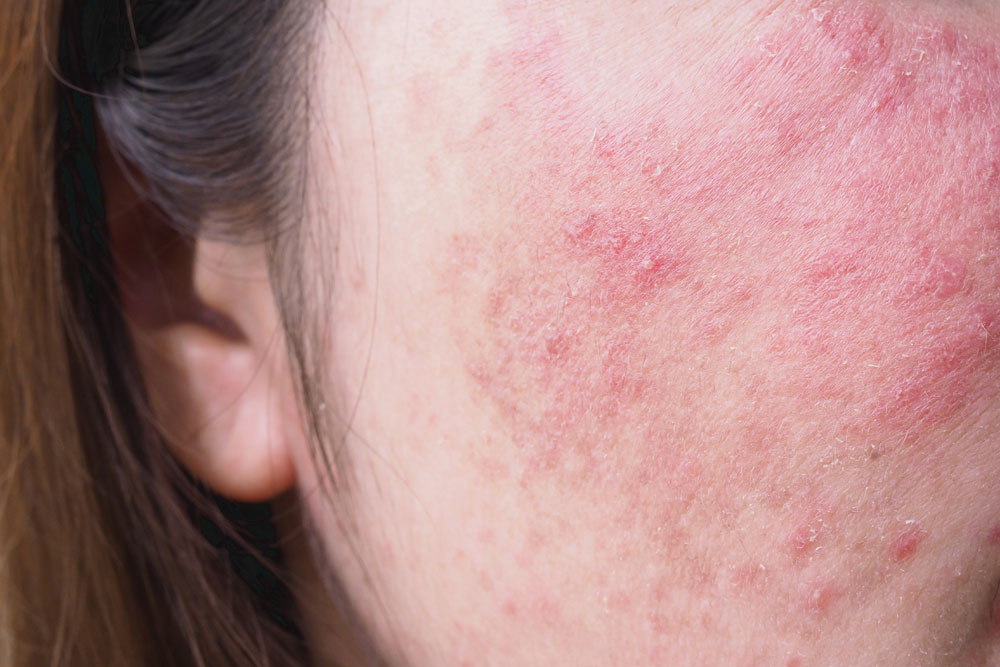
Dermatitis is a broad term for inflamed skin. It often causes redness, itching, dryness, and irritation. Some forms may also create scaling, swelling, or small bumps. Two common forms are atopic dermatitis and contact dermatitis. They may look similar at first, but the causes and flare patterns are different.
Atopic dermatitis is a long-term skin condition linked to genetics and immune system activity. Contact dermatitis develops after the skin touches an irritating substance or allergen. A proper diagnosis matters because treatment plans can differ from one condition to another.
How Atopic Dermatitis Develops
Atopic dermatitis usually begins early in life, though adults can also develop it. It is one of the most common forms of eczema. People with this condition often have a weaker skin barrier. The outer layer of skin loses moisture more easily and reacts faster to irritants.
This skin barrier issue is connected to changes in a protein called filaggrin. Without enough filaggrin, the skin becomes dry, sensitive, and more reactive. Atopic dermatitis often appears alongside asthma, allergies, or hay fever. Family history also plays a role.
Symptoms may include:
- Dry, cracked skin
- Intense itching
- Red or scaly patches
- Thickened skin from repeated scratching
- Small raised bumps that may leak fluid
- Rash flare-ups on both sides of the body
The condition can come and go over many years.
How Contact Dermatitis Happens
Contact dermatitis appears after direct skin exposure to a trigger. The trigger may irritate the skin immediately or cause an allergic reaction later. Irritant contact dermatitis is more common. It develops after exposure to harsh substances like soaps, detergents, cleaning chemicals, or solvents.
Allergic contact dermatitis happens when the immune system reacts to a substance after contact. Common triggers include fragrances, nickel, preservatives, latex, and poison ivy. At Laser & Skin Surgery Center, we often see contact dermatitis on the hands, face, neck, or arms because these areas touch products more often.
Symptoms may include:
- Red rash in the contact area
- Burning or stinging
- Swelling
- Dry or cracked skin
- Blisters or bumps
- Severe itching in allergic reactions
Unlike atopic dermatitis, the rash usually stays limited to the exposure site.
Atopic Dermatitis Vs Contact Dermatitis Symptoms
The symptoms can overlap, which makes self-diagnosis difficult. Both conditions may cause itching, redness, cracked skin, and discomfort. Scratching may worsen the irritation and damage the skin barrier further. Still, some patterns help separate the two.
Atopic dermatitis often affects larger body areas. Common locations include elbows, knees, hands, neck, eyelids, and ankles. The rash may appear on both sides of the body. Contact dermatitis usually forms exactly where the skin touched the trigger. A necklace may create a rash around the neck. Hair dye may irritate the scalp and hairline. Cleaning products may affect the hands.
Timing also matters. Contact dermatitis may appear within hours after exposure. Atopic dermatitis may flare unpredictably over time.
Understanding Triggers and Flare Patterns
Triggers play a major role in both conditions. Atopic dermatitis flares may develop from dry weather, stress, sweat, detergents, dust, pollen, rough fabrics, or long hot showers. Even emotional stress can worsen symptoms. Contact dermatitis flares happen after direct exposure to a trigger. Common irritants include bleach, shampoos, fragrances, makeup, metals, adhesives, and cleaning products.
Many patients struggle because triggers are not always obvious. Repeated exposure can make skin more reactive over time. This is one reason medical evaluation matters. At Laser & Skin Surgery Center, we help patients identify patterns that may not seem connected at first.
Who Faces Higher Risk?
Some people have a higher chance of developing dermatitis. Atopic dermatitis often affects people with a family history of eczema, allergies, or asthma. It may also appear more often in females and Black patients. Contact dermatitis is common in jobs involving frequent chemical exposure or repeated hand washing.
Higher-risk occupations include:
- Hairstylists
- Healthcare workers
- Mechanics
- Janitors
- Landscapers
- Food service workers
Repeated exposure weakens the skin barrier and increases irritation risk.
Treatment Differences Between the Two Conditions
Both conditions focus on calming inflammation and protecting the skin barrier, but treatment plans differ based on the cause. For contact dermatitis, avoiding the trigger is one of the most important steps. If exposure continues, the rash often returns. For atopic dermatitis, long-term skin management usually matters more because the condition tends to come back over time.
Treatment may include:
- Prescription topical steroids
- Nonsteroidal anti-inflammatory creams
- Oral medications during severe flares
- Moisturizers for barrier repair
- Antibiotics for cracked or infected skin
- Patch testing for trigger detection
Patients with moderate or severe atopic dermatitis may also need advanced therapies for inflammation control.
At Laser & Skin Surgery Center, treatment plans are personalized because each patient reacts differently to triggers, products, and environmental factors.
Why Scratching Makes Dermatitis Worse
Persistent itching often creates a cycle that becomes hard to break. Scratching damages the outer skin layer. This allows more irritants and bacteria to enter the skin. Inflammation then worsens, leading to more itching.
Over time, repeated scratching may cause thickened skin, discoloration, and painful cracks. Children and adults with nighttime itching may also lose sleep, which affects stress levels and skin healing. Medical treatment helps reduce this cycle before long-term skin damage develops.
Daily Habits That Affect Dermatitis
Many daily habits influence flare frequency. Long hot showers can dry the skin. Harsh cleansers can strip natural oils. Fragranced products may trigger irritation.
Patients with dermatitis often benefit from:
- Lukewarm showers
- Fragrance-free products
- Gentle cleansers
- Regular moisturizing
- Loose, breathable clothing
- Reduced exposure to harsh chemicals
Still, home care alone may not control persistent symptoms. A rash that keeps returning needs professional evaluation.
When to See a Dermatologist
Occasional dry skin is common, but repeated rashes deserve medical attention.
You should schedule an evaluation if:
- The itching affects sleep
- The rash spreads
- Over-the-counter creams stop helping
- Skin becomes painful or infected
- Symptoms keep returning
- You cannot identify the trigger
A Better Understanding of Chronic Skin Irritation
Atopic dermatitis and contact dermatitis may share symptoms, but they develop differently. One often comes from genetics and immune activity. The other usually starts after skin exposure to a trigger. Recognizing those differences helps patients seek the right treatment sooner. Early medical care may reduce long-term irritation, scratching, and skin damage.
At Laser & Skin Surgery Center, we help patients identify triggers, calm flare-ups, and build realistic treatment plans for long-term skin health. To schedule an evaluation with our dermatology team, contact us today. We are here to help you understand your skin and move toward lasting relief with thoughtful medical care.
FAQs
Can atopic dermatitis and contact dermatitis happen together?
Yes. Patients with sensitive skin from atopic dermatitis may react more easily to irritants that trigger contact dermatitis.
How long does contact dermatitis usually last after exposure?
Why does atopic dermatitis keep returning over time?
Next, read about…

7 Essential Questions To Ask During Your Face Lift Consultation
Homepage // Blog / 7 Essential Questions To Ask During Your Face Lift ConsultationQuick SummaryAsking the right face lift questions during a consultation reveals a surgeon's training, technique, and safety record before you commit to surgery. It also clarifies...
Face Lift Facts And Myths You Need To Know
Homepage // Blog / Face Lift Facts And Myths You Need To KnowQuick SummaryFace lifts remain one of the most talked-about cosmetic procedures, and misinformation about pain, scarring, and results spreads just as easily as accurate information. Modern techniques focus...
Mini Vs. Full Face Lift: Which Procedure Is Right For You?
Homepage // Blog / Mini Vs. Full Face Lift: Which Procedure Is Right For You?Quick SummaryA mini face lift addresses early sagging around the jawline and lower face through smaller incisions and a shorter recovery, while a full face lift corrects moderate to severe...