
Homepage // Blog / Best treatments for all types of scars explained
Understanding The Root Causes Of Atopic Dermatitis
Quick Summary
Atopic dermatitis develops from a mix of immune system activity, skin barrier weakness, genetics, and environmental triggers. Symptoms often include dry, itchy, inflamed skin that comes and goes over time. Common flare triggers include allergens, stress, temperature changes, harsh products, and infections. At Laser & Skin Surgery Center, we help patients identify patterns behind recurring flare-ups and create personalized treatment plans.
Dry, itchy skin that returns again and again can affect far more than comfort alone. Many people struggle with irritation, sleep disruption, visible rashes, and painful flare-ups without fully understanding why symptoms keep returning. Learning about atopic dermatitis causes helps patients recognize the factors that affect their skin every day. At Laser & Skin Surgery Center, we often meet patients who feel frustrated after trying random creams or changing products without lasting relief. A closer look at genetics, immune responses, allergens, and environmental triggers can help explain why atopic dermatitis develops and why proper medical care matters.
What Is Atopic Dermatitis?
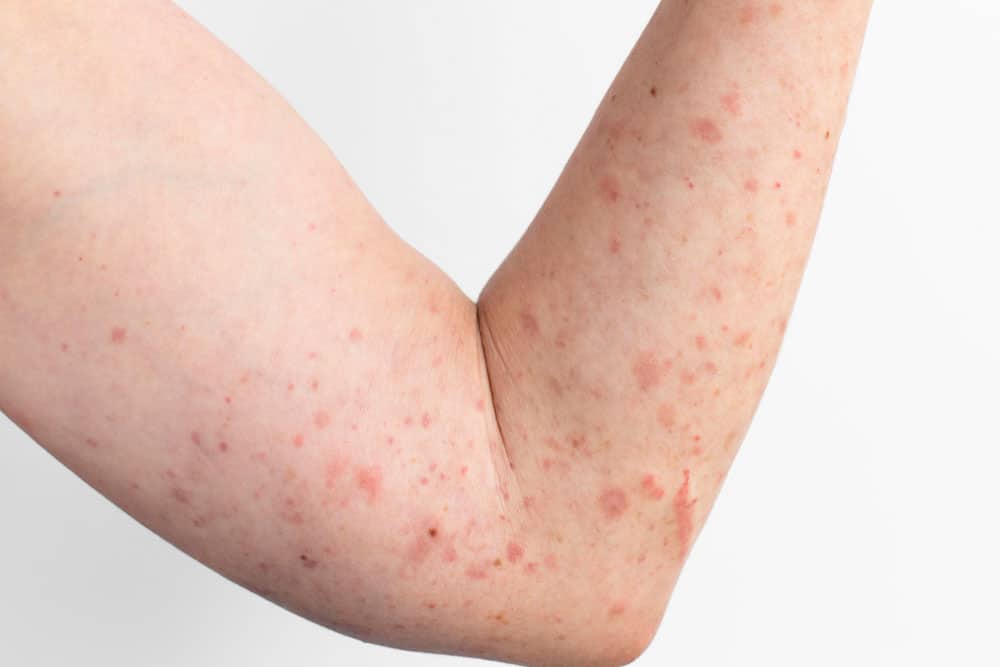
Atopic dermatitis is a long-term inflammatory skin condition. It is the most common form of eczema. The condition often causes dry, itchy, cracked, or discolored skin patches. Some patients also develop swelling, scaling, crusting, or fluid-filled bumps. Symptoms may appear anywhere on the body, though they often affect areas where the skin bends. Common locations include elbows, knees, hands, neck, eyelids, and ankles.
Atopic dermatitis affects both children and adults. Some people develop mild irritation, while others experience severe itching and painful flare-ups. The condition often comes and goes throughout life.
How the Skin Barrier Affects Atopic Dermatitis Causes
Healthy skin acts as a protective barrier. It locks moisture inside and blocks irritants, allergens, and bacteria from entering the body. In patients with atopic dermatitis, this barrier does not work properly. Moisture escapes more easily, leaving the skin dry and sensitive. Once the barrier weakens, outside irritants enter the skin more easily. This triggers inflammation and itching.
Many patients scratch the affected areas for relief. Scratching damages the skin further and creates more inflammation. This cycle often explains why flare-ups become harder to control over time.
The Role of Genetics In Atopic Dermatitis
Genetics play a major role in atopic dermatitis causes. Many patients inherit changes in genes related to skin barrier function. One important protein involved is filaggrin. This protein helps build a strong outer skin layer. When the body does not produce enough filaggrin, the skin becomes more porous and vulnerable to irritation.
Family history also matters. Patients with relatives who have eczema, asthma, hay fever, or allergies often face a higher risk of developing atopic dermatitis. At Laser & Skin Surgery Center, we often see patients who have struggled with eczema symptoms since childhood because of inherited skin sensitivity.
How the Immune System Contributes to Symptoms
The immune system normally protects the body from harmful substances. In atopic dermatitis, the immune response becomes overactive. Instead of reacting only to dangerous threats, the immune system reacts strongly to everyday irritants and allergens. This reaction creates inflammation inside the skin. Patients then develop redness, itching, swelling, and discomfort.
Even mild exposures may trigger symptoms in sensitive skin. A product that feels harmless to one person may trigger a flare-up in another. This explains why atopic dermatitis can vary so much from patient to patient.
Common Environmental Triggers
Environmental factors often worsen symptoms. Many patients notice flare-ups after exposure to dry air, heat, cold weather, or sudden temperature changes. Sweat may also irritate sensitive skin. Indoor heating systems can dry the skin during colder months. Hot showers may strip natural oils from the skin barrier.
Other common triggers include:
- Fragranced skincare products
- Harsh soaps
- Laundry detergents
- Dust mites
- Pet dander
- Pollen
- Smoke exposure
- Rough fabrics like wool
Repeated exposure can worsen skin sensitivity over time.
Stress and Emotional Health
Stress affects more than emotional well-being. It can also affect the skin. Many patients notice worsening itching or flare-ups during stressful periods. Emotional stress may increase inflammation and make the skin more reactive.
Poor sleep from nighttime itching may worsen stress further. This creates another cycle that becomes difficult to break. At Laser & Skin Surgery Center, we encourage patients to pay attention to emotional triggers alongside physical ones. Skin symptoms often reflect more than outside exposure alone.
Food Allergies and Atopic Dermatitis Causes
Some patients notice flare-ups linked to certain foods. Common examples include eggs, peanuts, shellfish, soy, wheat, and dairy products. Food triggers appear more often in children with moderate or severe eczema. Still, not every patient with atopic dermatitis has food allergies. Restrictive diets without medical guidance may create unnecessary nutritional problems.
This is why professional evaluation matters before removing foods from the diet. Allergy testing may help identify patterns in some cases.
How Skin Infections Worsen Symptoms
Broken skin creates openings for bacteria and viruses. Once infection develops, symptoms may become more painful and widespread.
Signs of infection may include:
- Swelling
- Yellow drainage
- Crusting
- Pain
- Warm skin
- Increased redness
Scratching often increases infection risk. Medical treatment becomes important once infection appears because untreated skin infections may worsen rapidly.
The Link Between Atopic and Contact Dermatitis
Patients with atopic dermatitis often develop sensitive skin that reacts easily to outside substances. This increases the chance of developing contact dermatitis as well. Contact dermatitis develops after direct exposure to irritants or allergens. Common triggers include fragrances, chemicals, metals, detergents, preservatives, and cleaning products.
Atopic dermatitis weakens the skin barrier, which makes irritation more likely after exposure. This overlap often confuses patients because the symptoms may look similar. At Laser & Skin Surgery Center, we evaluate both the rash appearance and the patient’s trigger history to identify the underlying cause.
How Dermatologists Diagnose Atopic Dermatitis
Diagnosis usually starts with a physical skin examination.
Your dermatologist may ask:
- When symptoms began
- What products touch your skin regularly
- Which areas flare most often
- If allergies or asthma run in your family
- What treatments you already tried
The appearance and location of the rash often help guide diagnosis.
In some cases, a skin biopsy or allergy testing may help rule out other skin conditions.
At Laser & Skin Surgery Center, we take time to evaluate patterns that patients may not notice on their own.
Treatment Options for Long-Term Management
There is no permanent cure for atopic dermatitis, but treatment can help control symptoms and reduce flare frequency.
Treatment plans may include:
- Prescription topical corticosteroids
- Topical calcineurin inhibitors
- Moisturizers without fragrances or dyes
- Antihistamines for itching
- Phototherapy
- Allergy management
- Trigger avoidance strategies
Patients with moderate or severe symptoms may also need advanced medications to control inflammation.
Treatment works best when it matches the patient’s specific triggers, lifestyle, and symptom patterns.
When to Seek Professional Care
Some patients delay care because they believe dry skin will improve on its own.
Medical attention becomes important when:
- Itching affects sleep
- Rashes spread or worsen
- Skin becomes painful
- Signs of infection appear
- Over-the-counter products stop helping
- Flare-ups keep returning
Professional evaluation helps identify triggers and build a treatment plan that fits the patient’s skin needs.
To speak with our dermatology team about persistent eczema symptoms, Contact us today.
We are here to help you move toward healthier skin with thoughtful medical care and personalized treatment guidance.
FAQs
Can atopic dermatitis start during adulthood instead of childhood?
Why does atopic dermatitis itch more at night?
Does atopic dermatitis spread from person to person?
Next, read about…

7 Essential Questions To Ask During Your Face Lift Consultation
Homepage // Blog / 7 Essential Questions To Ask During Your Face Lift ConsultationQuick SummaryAsking the right face lift questions during a consultation reveals a surgeon's training, technique, and safety record before you commit to surgery. It also clarifies...
Face Lift Facts And Myths You Need To Know
Homepage // Blog / Face Lift Facts And Myths You Need To KnowQuick SummaryFace lifts remain one of the most talked-about cosmetic procedures, and misinformation about pain, scarring, and results spreads just as easily as accurate information. Modern techniques focus...
Mini Vs. Full Face Lift: Which Procedure Is Right For You?
Homepage // Blog / Mini Vs. Full Face Lift: Which Procedure Is Right For You?Quick SummaryA mini face lift addresses early sagging around the jawline and lower face through smaller incisions and a shorter recovery, while a full face lift corrects moderate to severe...