Homepage // Blog / Does PicoPlus Live Up To The Hype?
Does PicoPlus Live Up To The Hype?
Quick Summary
Laser & Skin Surgery Center of New York explains what PicoPlus can realistically achieve for tattoos, unwanted pigmentation, birthmarks, freckles, and other discoloration concerns. This guide explores how the technology works, why its 532-nm and 1064-nm wavelengths matter, how many treatment sessions patients may need, what to expect during recovery, potential side effects, and the factors that influence results.
Laser technology has advanced considerably over the past few decades, particularly in tattoo removal and the treatment of unwanted pigmentation. Picosecond devices deliver extremely short pulses of energy that break pigment into smaller particles while limiting unnecessary heat exposure to the surrounding tissue.
So, does Pico Plus actually deserve the attention it receives? For the right patient and concern, PicoPlus can be a valuable laser option. Still, it is not a one-session answer for every tattoo or brown spot. At Laser & Skin Surgery Center of New York, we select laser technology according to the pigment, skin type, treatment area, and individual goal rather than relying on one device for everyone.
What Is PicoPlus?
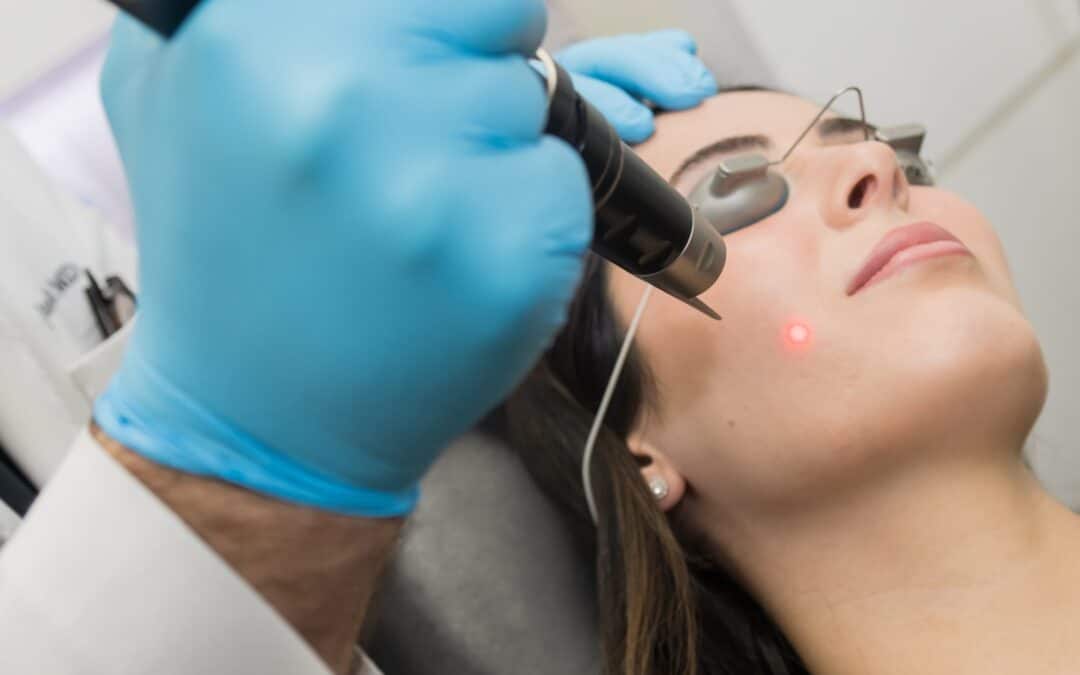
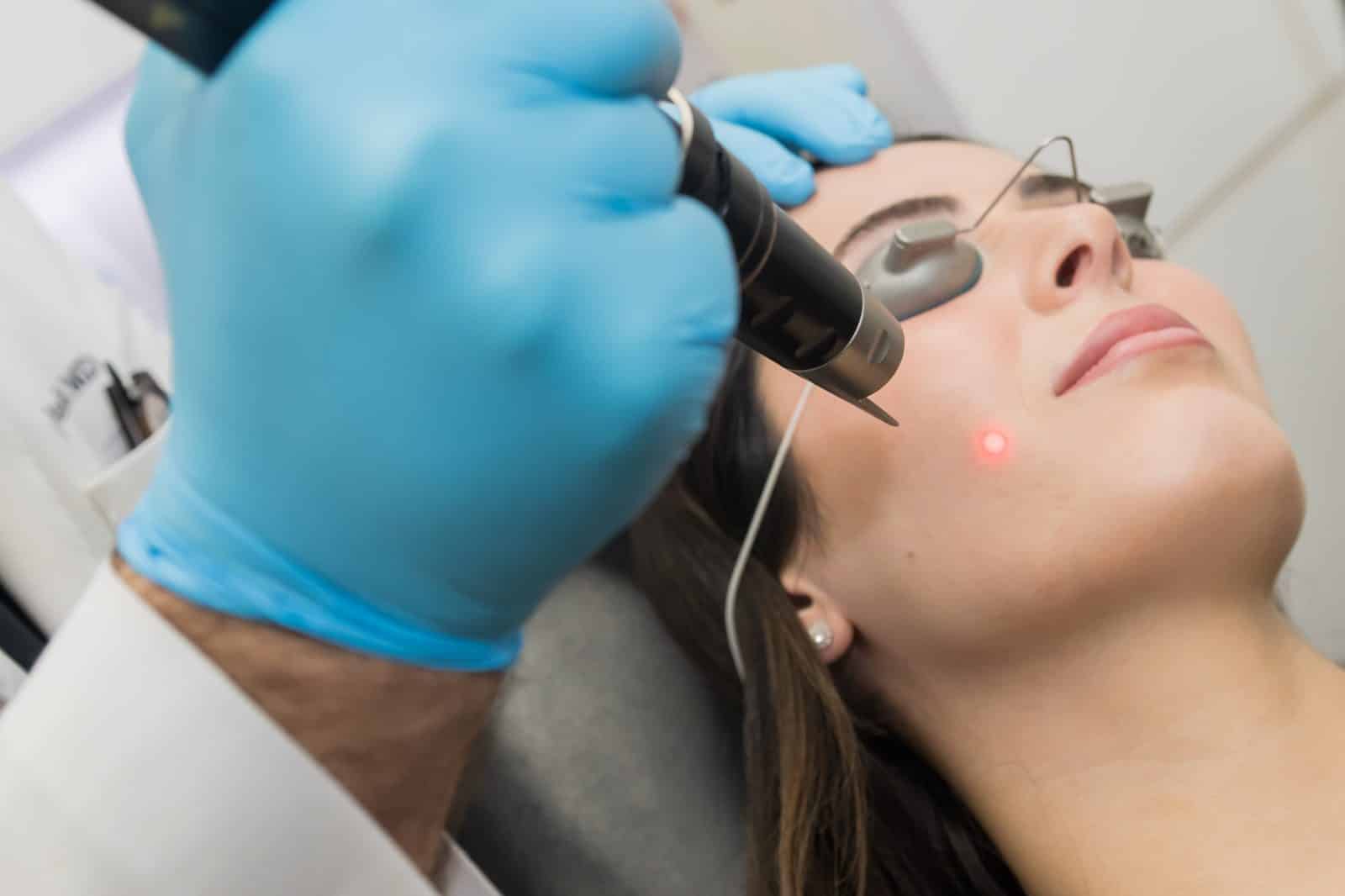
PicoPlus is a picosecond Nd laser platform that uses 1064-nm and 532-nm wavelengths. It can operate with very short picosecond pulses as well as nanosecond settings, giving physicians flexibility when addressing different pigments and treatment goals.
The FDA cleared the PicoPlus Laser System in 2018 as a powered laser surgical instrument. Its cleared applications include tattoo removal and treatment of certain benign pigmented lesions.
At our practice, we use PicoPlus for concerns including unwanted tattoos, freckles, age spots, hyperpigmentation, melasma, café-au-lait spots, and nevus of Ota.
Why Do Picosecond Pulses Matter?
Traditional tattoo-removal lasers often deliver energy through nanosecond pulses. Picosecond technology releases energy over an even shorter period, changing how the laser interacts with pigment.
This rapid delivery creates a strong photoacoustic effect. During tattoo treatment, the energy breaks ink into tiny particles that the body gradually clears. When treating unwanted pigmentation, the laser targets melanin in the selected area.
Shorter pulses can also limit the amount of heat spreading into nearby tissue compared with some older laser approaches. Although this does not eliminate treatment risks, it is one reason picosecond technology has become an important option for modern tattoo removal and pigment correction.
Does PicoPlus Work Well For Tattoo Removal?
Research on dual-wavelength 532-nm and 1064-nm picosecond lasers has produced encouraging results.
One prospective clinical study involving 39 tattoos found that every treated tattoo showed some lightening. Among tattoos that received at least three sessions, 86% achieved at least 50% clearance after three treatments. The study permitted up to ten sessions, with participants receiving an average of 7.5 treatments.
Another study comparing picosecond and nanosecond 532/1064-nm lasers found that picosecond treatment performed better for several tattoo colors. The 1064-nm picosecond wavelength was particularly effective for black tattoo ink.
These findings help explain the enthusiasm surrounding picosecond technology. However, they also highlight the importance of setting realistic expectations. Most tattoos require multiple appointments, and complete removal is not guaranteed.
Why Do Two Wavelengths Matter?
Tattoo ink does not behave as a single, uniform target. Different colors absorb different wavelengths of light, so the laser must be selected according to the pigment being treated.
The 1064-nm wavelength is commonly useful for darker pigments, including black ink. The 532-nm wavelength can target colors such as red more effectively.
Access to both wavelengths gives our physicians more flexibility when treating multicolored tattoos and different types of pigmentation.
Research has also demonstrated successful tattoo treatment in patients with darker skin types using dual-wavelength picosecond technology. In one study involving patients with Fitzpatrick skin types III and IV, 88.5% of tattoos achieved at least 75% clearance after up to six treatments.
Despite these encouraging findings, physicians must select laser settings carefully for each patient. Skin type, pigment characteristics, and the risk of unwanted pigmentation changes all influence treatment decisions.
What About Brown Spots And Pigmentation?
PicoPlus is not limited to tattoo removal. The device can target melanin in freckles, age spots, certain birthmarks, and other forms of unwanted pigmentation. Our physicians also use it as one of several laser options for selected patients with hyperpigmentation or melasma.
Successful pigmentation treatment begins with an accurate diagnosis. Not every brown mark responds to the same device or settings, and some pigmentation disorders can return or worsen if the wrong treatment is selected.
That is why physician evaluation is important before proceeding. We first identify the likely cause of the discoloration, then recommend a laser or alternative treatment suited to the diagnosis, skin type, and individual needs.
How Many PicoPlus Treatments Will You Need?
There is no universal number of sessions that works for everyone.
A small brown spot may respond much faster than a dense, professionally applied tattoo. Factors such as tattoo color, ink depth, age, location, previous treatments, and individual response can all affect the number of appointments required.
At Laser & Skin Surgery Center of New York, some pigmentation concerns may be addressed in a single treatment, while tattoo removal typically requires a series of sessions.
Appointments must also be spaced appropriately to give the skin time to heal and allow the body to clear fragmented pigment. Your physician can recommend a treatment schedule based on the concern being addressed and your response to previous sessions.
What Is The Downtime Like?
PicoPlus treatment generally involves limited downtime, although recovery varies depending on the treatment area, settings, and individual response.
Mild redness and swelling may occur after a session. Some patients also experience bruising. Many of our patients return to their normal routines immediately or by the following day.
Tattoo removal can produce more noticeable reactions depending on the laser settings and ink characteristics. Temporary blistering, irritation, and changes in skin pigmentation are possible after laser tattoo treatment.
Research comparing picosecond and nanosecond tattoo removal has documented temporary reactions with both approaches. However, one prospective study found that picosecond treatment caused less pain and shorter-lasting reactions.
Following your physician’s aftercare instructions is important for proper healing and reducing the risk of complications.
So, Does PicoPlus Live Up To The Hype?
For tattoos and selected pigmentation concerns, PicoPlus has genuine advantages. Its dual wavelengths, very short pulse durations, and treatment flexibility give physicians useful options for different pigment colors and depths.
At Laser & Skin Surgery Center of New York, we have access to an extensive collection of laser technologies rather than relying on PicoPlus alone. All of our medical and cosmetic treatments are performed by physicians, allowing us to choose the device and settings around the individual patient.
If you are interested in tattoo removal or treatment for unwanted pigmentation, schedule an appointment with us to discuss the most appropriate approach for your skin.
FAQs
Is PicoPlus FDA Cleared?
Yes. The FDA cleared the PicoPlus Laser System in June 2018. The device is cleared for applications that include tattoo removal and treatment of certain benign pigmented lesions.
How Many PicoPlus Sessions Are Needed For Tattoo Removal?
The number varies considerably. Ink color, depth, tattoo size, location, age, and previous treatment all matter. Clinical studies of dual-wavelength picosecond lasers have used several sessions, with some treatment courses extending to six or more appointments.
Is PicoPlus Painful?
Most patients describe discomfort as manageable. Sensation varies according to the treatment area and laser settings. Topical or local anesthesia may be used when appropriate. Redness, swelling, and temporary tenderness can occur afterward.
Are PicoPlus Results Permanent?
Removed tattoo pigment or successfully treated individual spots can produce long-lasting improvement. However, new pigmentation may develop with aging or sun exposure, and conditions such as melasma can recur. Individual results vary, so follow-up treatment may sometimes be appropriate.
Next, read about…
Why The MACS Facelift Is Not Your Traditional Facelift
Homepage // Blog / Why The MACS Facelift Is Not Your Traditional FaceliftQuick SummaryLaser & Skin Surgery Center of New York explains how a MACS facelift differs from a traditional facelift in its incision pattern, tissue repositioning, recovery, and ideal...
What Sets Belotero Balance Apart From Other Fillers?
Homepage // Blog / What Sets Belotero Balance Apart From Other Fillers?Quick SummaryLaser & Skin Surgery Center of New York explains how Belotero Balance differs from other hyaluronic acid fillers in its texture, integration with skin tissue, and ability to move...
What It’s Really Like To Undergo Fraxel Re:pair
Homepage // Blog / What It’s Really Like To Undergo Fraxel Re:pairQuick SummaryLaser & Skin Surgery Center of New York explains what patients can realistically expect from Fraxel Re:pair, from the day of treatment through recovery and the development of results....